By Erich R Pilcher
WRITERS NOTE: This blog is tied into my most recent appearance on WPYP TV and most recent Classic Film Review on Matt Connarton Unleashed and WMNH Radio, Animal House. You may click the links to view and listen
Slackers for the most part are often looked at in an unfavorable light. They are viewed as lazy, uninspired burdens. Depending on your opinion, you may look at them favorably or unfavorably. While here in the “real world” the view is unflattering, there is one area where they are revered, loved, and even cheered for.
That world is in cinema, where slackers are heroes in the same vein as any cinematic hero you may enjoy.
From the start of slackers in film (as early as the old vaudeville stage shows) to current hit movies, these individuals find ways to tug at our heartstrings. As we watch the plot unfold we find ourselves drawn to these individuals, we want to see them succeed. Even if the means are nefarious.
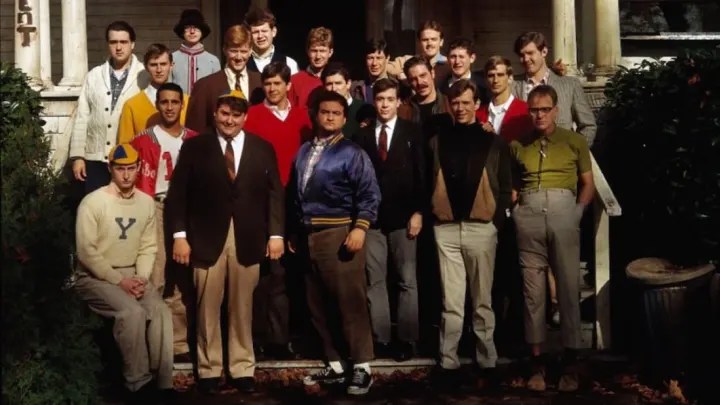
Photo Credit: IMDB.COM
For example, in the film Animal House, most viewers root for the Delta fraternity. The general thought is “Who are they hurting?” When we analyze their actions, outside of the raunchy slapstick episodes we find they are somewhat deplorable. One takes advantage of a young girl, they destroy the city, they even suggest insurance fraud. However, I have never seen any of this brought up in any analysis of the film.

Photo Credit: Universal
This is not just an issue with Animal House either. We can look at other films and see the same issue. Adam Sandler is one of the greatest slacker actors (after Chris Farley). In Billy Madison, he is essentially a spoiled rich kid that doesn’t have to do anything. His charmed life is only dictated by “nudie magazine day” and drinking by the pool. In Happy Gilmore, he is a neer do well hanging on the dream of playing professional hockey, despite having no talent. He is quick-tempered and foul-mouthed. Again, on the surface, the redeeming qualities are low to non-existent.
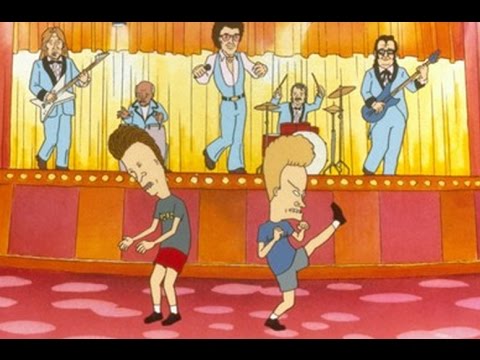
Our final example does not come from film, but the world of television. Beavis and Butt-Head (one of my personal favorites) are generally antagonistic, if only through being morons. They terrorize their neighbor Mr. Anderson and show no care for anyone’s wellbeing in their selfish endeavors. I realize we are following a trend. If these characters are so horrible and non-appealing, why do we root for them, love them and why do they have this endearing presence about them that transcends decades?
Through reviewing Animal House for Matt Connarton Unleashed on WHMN Radio (can be listened to here) I realized why this is, at least for me. It is we want to be them. Not so we may commit nefarious acts (although I’m sure that is a selling point from some sad, sick individuals). We want to be them because we want to have this life where we can just be. That is ultimately where slackers came from. We want a life free from responsibility (or where we can just ignore it). We desire to have our needs met through limited effort and just have things work out.
Finally, we want to have our shortcomings appreciated and beloved. Not be ridiculed and diminished for them. There is this desire to have people laugh with us when our shortcomings show up, not at us. In the cases I have presented, the characters’ shortcomings lead to them being victorious over their oppressors.
Beavis and Butt-Head often point out the flaws within society through their mental incapacities. Both Sandler film characters can use their shortcomings to succeed and be victorious. Finally, those raucous, loveable Deltas defeat their enemies at the end and live successful lives. While their enemies meet horrible circumstances.
Ultimately, these slackers show us what we all want out of life. To be loved, respected, and appreciated for who and what we are. We want our fallacies to be embraced as much as our great traits. We want that overall acceptance. There is nothing wrong with that either. We may have possibly been viewing slackers all wrong. Instead of viewing them as lesser than, we should follow their lead. Because their needs are the same as ours.
 Pilcher's Point