By Erich R Pilcher
The world of cinema is one wrought with years of transition and greatness. From the separation of the Motion Picture Code to the counterculture movement of the ’60s brought forth by Vietnam and other national unrest to the teen angst dramas of the 80s and ’90s, cinema can often be looked at as a sign of the times.
Because of this, there have been many landmark years that stand out to people. One of these years, in my opinion, is the greatest cinema year ever, and the impact it brought to audiences is still being felt today.
1994 was a critical year not just for cinema but the world. President Bill Clinton gave his first state of the union address, Nirvana lead singer Kurt Cobain committed suicide and OJ Simpson was arrested and accused of the murder of his ex-wife Nicole Brown-Simpson and her friend, Ronald Goldman.
For the cinema world, it was also a time of change. Turner Classic Movies debuted with a showing of “Gone with the Wind”, Pierce Brosnan was announced as the next James Bond after a six-year hiatus for the series. And Viacom purchased Paramount Communications.
These changes in society and cinema pale in comparison to what was brought to viewers on the big screen.
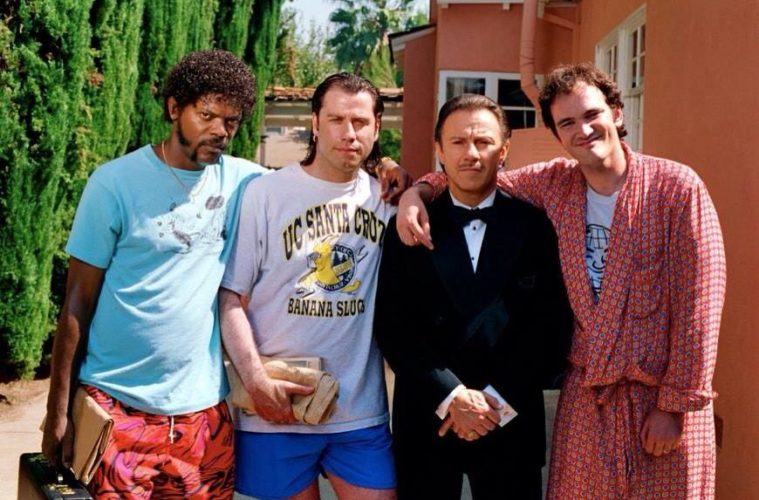
First, Director Quentin Tarantino became a household name with his second film, “Pulp Fiction.” This film was told in a nonlinear format (like his first film “Reservoir Dogs”) that had not been used much since the days of film noir. Tarantino used an eclectic soundtrack, biting, gruff dialogue, and a star-studded cast to tell the tale of criminals and crime. This film featured an unapologetic look at this world using over-the-top violence and language that made many shudder. Regardless this film, (reviewed recently by yours truly on Matt Connarton Unleashed) showed where we were at. We craved violent crime because this is what society related to. We wanted realism and despite the exaggerated violence, people connected to that.
Connection is the key for this year in cinema, for the most part.
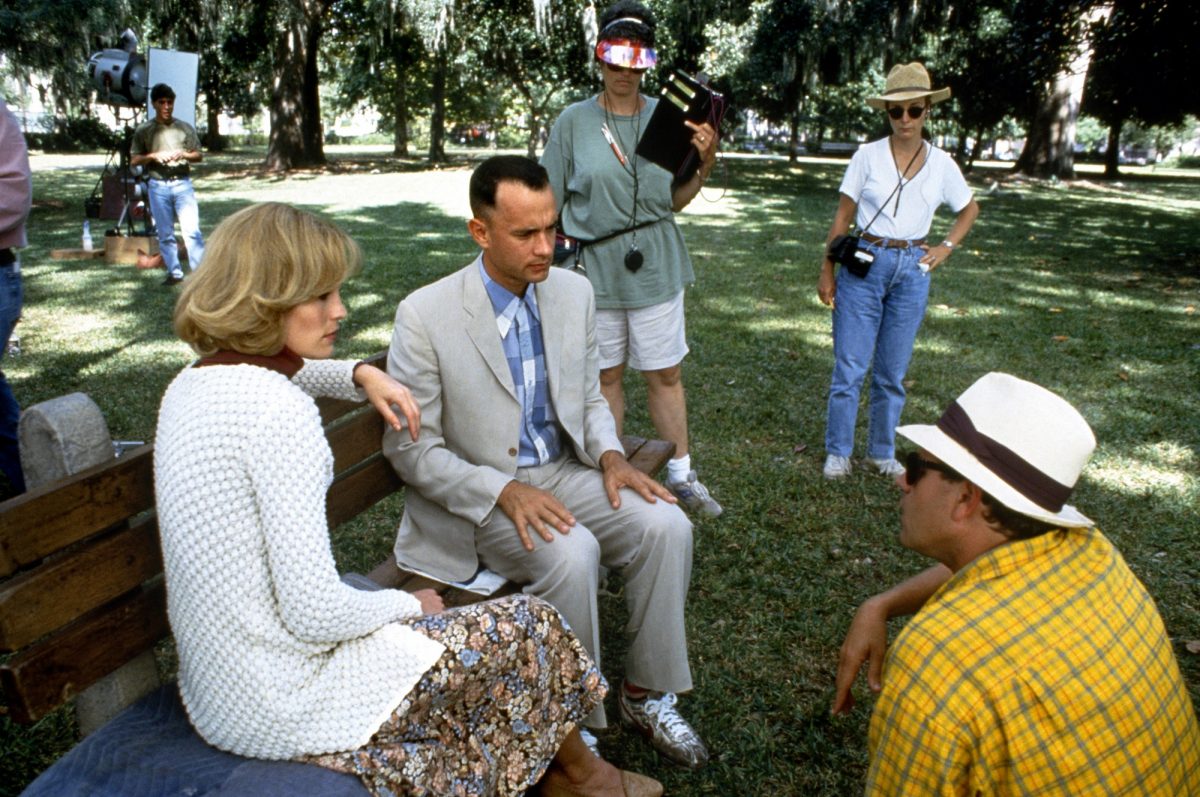
Phot Courtesy: IMDB
Director Robert Zemeckis fresh off his run directing the Back to the Future Trilogy, brought us a timeless classic that became the highest-grossing film for Paramount Pictures (at the time), “Forrest Gump” (based on the novel by Winston Groom). The film told us the story of a simpleton that gets caught in some of the biggest moments in American history. This heartwarming tale garnered Tom Hanks his second consecutive Best Actor awa5rd (he won for “Philadelphia” the previous year). Again, we run into connection being key. This film reached many audiences. Some lived through the tumultuous times Gump encountered. Then there is the broader level, we relate to Forrest because we have all felt out of place, and despite that have overcome the circumstances.
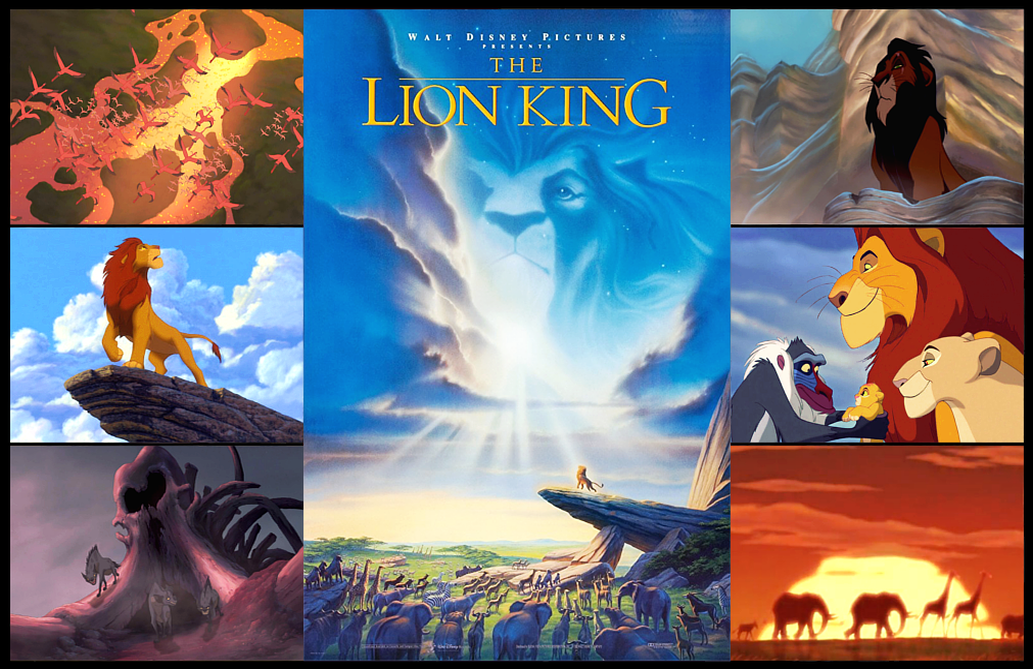
Family films were not devoid of impact in 1994. Disney released “The Lion King” to critical acclaim. The film was a box office bonanza. It averaged 793,377 dollars per theater on opening weekend (a record that still stands today). Until 2003 it was the highest-grossing Disney film ever (beat by “Finding Nemo”). It was also nominated for Best Picture (Losing to the aforementioned “Forrest Gump”).

Photo Courtesy: People.com
Finally, many major stars debuted this year. Cameron Diaz (“The Mask”), Ewan McGregor (“Being Human”), Natalie Portman (“Leon: The Professional”), Jude Law (“Shopping”), Scarlett Johannsson (“North”), and Shaquille O’Neal (“Blue Chips”) among many others made their big screen debuts this year. These are stars even today that carry gravitas into any performance (O’Neal excluded) they star in. This year gave us our first experiences of these legendary performers and adds to the importance of the year.
Timelessness is so important to cinema. That is why this year stands out to me., The films, the debuts, and the critical time in history add to the importance of this year, not just for cinema but overall. There are many more films and performances that this year spurned. To me, 1994 is the greatest year in cinema history. For the memories it gave us, the timeless characters and changes it brought, it is unmatched and underappreciated.
Hopefully, that changes and we recognize the greatness we have overlooked.
 Pilcher's Point