By: Erich R Pilcher
Film directors are, by nature, a different breed. For they are artists. They do not work with words, paints, or pallets. They work with their vision. Using equally talented artists to complete this vision on a digital or celluloid medium. Because of their attention to detail, they are considered eccentric, or at the very least a “touch-off”.
One director has many more descriptors attached to him. Crazed, difficult to work with, hard-headed, nihilistic, violent, raged, sexist, and many more. However, for the theme of this post, he shall be known as a forgotten genius.
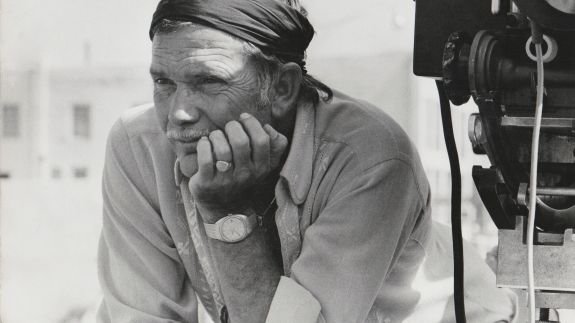
Photo Courtesy: MUBI.COM
This man is known as “Bloody” (known for his use of violence in his films) Sam Peckinpah. This man is known for flipping the western genre on its thematic head when his film “The Wild Bunch” was released (reviewed recently by yours truly for WMNH and Matt Connarton Unleashed) in 1969. This film was bloody and violent. Unlike all westerns before it, it embraced the notion that society had no more heroes. And, even those that were presented as heroes, were corruptible or already corrupted.
When the film concluded following an over 8-minute bloody battle between the gang of main characters and Federales (sparked when the General slits the throat of a captive member of the gang) that includes a 30-caliber Gatling gun. The film was praised by some and hated by just as many. Regardless of how people felt, its realistic violence and brutality have left an impression felt to this day. Many consider it to be one of, if not the greatest western film of all time.
Peckinpah never stood down from his moniker “bloody”. He stated that “I’m a student of violence because I’m a student of the human heart.” His films feature this taboo. This headstrong nature often led him to be at odds with major studios, crew members, and even stars such as Charlton Heston during the production of the 1965 film “Major Dundee”.
On the set, he treated the crew so badly that Heston threatened him with an army sword and charged him while reading a horse. He fired 15 crew members for trivial reasons. He also often was drunk on set. This led to the production going out of control. Depending on whom one believes this led to Peckinpah being fired (Columbia and Peckinpah himself) or abandoning the set in a drunken stupor (Heston and other cast and crew).
Despite his genius, Peckinpah was not without faults. He often used drugs (cocaine being his drug of choice) and alcohol. It was far from recreational. He used it while filming. This caused him to be difficult to manage for studios, demanding and abusive to his crew and stars. Nonetheless, in most of his films, his film prowess wrapped in violent, brilliant cynicism broke through. Over the years, film analysts and fans began to appreciate everything Peckinpah brought to the world of cinema.
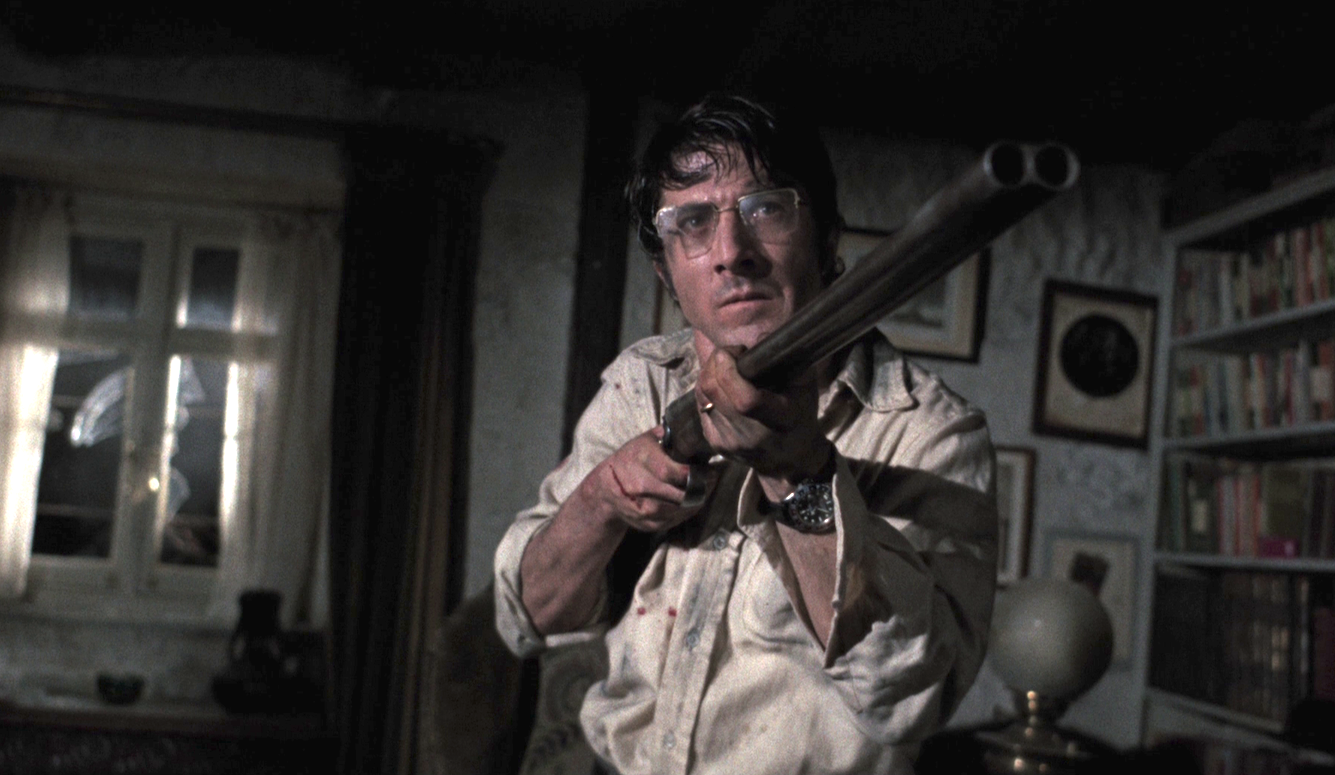
Violence is not the only taboo Peckinpah embraced, in 1971’s Straw Dogs, he added sex to the violence Filming two graphic rape scenes and then having the women’s Husband take vengeance on the men who committed it, Peckinpah took his viewers on a psychological journey through emotions of vengeance, despair and lack of belonging.
Many say violence has no place in cinema. That all it does is lead people to do evil things and contribute to more violence. There are two sides to the argument, Peckinpah once stated “Well, killing a man isn’t clean and quick and simple. It’s bloody and awful. And if enough people come to realize that shooting somebody isn’t just fun and games, maybe we’ll get somewhere.”
What if, to appreciate the value of life. We as people have to see the disturbing reality of violence. If we can see that then, we MIGHT be able to restore our view on life. I’m not talking senseless, blood and guts slasher films. I’m talking about the violence that is used in an artistic sense (if you do not know the difference, I’m shocked you were able to read this far). The violence is real, gritty, and unchained. That Peckinpah, Sergio Leone, Martin Scorsese, Francis Ford Coppola, and more have used to paint nihilistic visions of despair that many in the world live in.
Sadly, Sam Peckinpah never was able to see the reverence he has in the world today. He died in his sleep in December 1989. Despite his difficult nature and unfair judgments on his films, he has created works of art that transcend time and generations. You may diminish his character or even his works, but in doing so you are discounting the genius behind the madness.
But maybe, “Bloody Sam” wouldn’t have it any other way.
 Pilcher's Point