‘Pecking’ away at violent cinema

By: Erich R Pilcher

Film directors are, by nature, a different breed. For they are artists. They do not work with words, paints, or pallets. They work with their vision. Using equally talented artists to complete this vision on a digital or celluloid medium. Because of their attention to detail, they are considered eccentric, or at the very least a “touch-off”.

One director has many more descriptors attached to him. Crazed, difficult to work with, hard-headed, nihilistic, violent, raged, sexist, and many more. However, for the theme of this post, he shall be known as a forgotten genius.
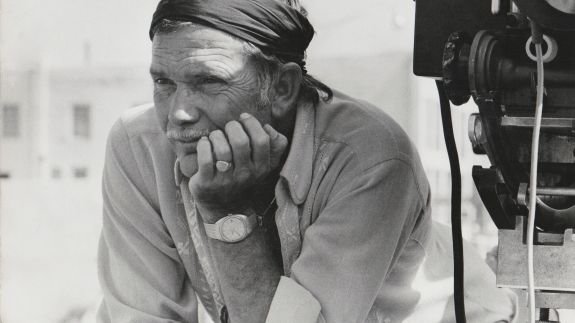
“Bloody” Sam Peckinpah on the set of his classic western, “The Wild Bunch”
Photo Courtesy: MUBI.COM


This man is known as “Bloody” (known for his use of violence in his films) Sam Peckinpah. This man is known for flipping the western genre on its thematic head when his film “The Wild Bunch” was released (reviewed recently by yours truly for WMNH and Matt Connarton Unleashed) in 1969. This film was bloody and violent. Unlike all westerns before it, it embraced the notion that society had no more heroes. And, even those that were presented as heroes, were corruptible or already corrupted.

When the film concluded following an over 8-minute bloody battle between the gang of main characters and Federales (sparked when the General slits the throat of a captive member of the gang) that includes a 30-caliber Gatling gun. The film was praised by some and hated by just as many. Regardless of how people felt, its realistic violence and brutality have left an impression felt to this day. Many consider it to be one of, if not the greatest western film of all time.

Peckinpah never stood down from his moniker “bloody”. He stated that “I’m a student of violence because I’m a student of the human heart.” His films feature this taboo. This headstrong nature often led him to be at odds with major studios, crew members, and even stars such as Charlton Heston during the production of the 1965 film “Major Dundee”.

On the set, he treated the crew so badly that Heston threatened him with an army sword and charged him while reading a horse. He fired 15 crew members for trivial reasons. He also often was drunk on set. This led to the production going out of control. Depending on whom one believes this led to Peckinpah being fired (Columbia and Peckinpah himself) or abandoning the set in a drunken stupor (Heston and other cast and crew).

Despite his genius, Peckinpah was not without faults. He often used drugs (cocaine being his drug of choice) and alcohol. It was far from recreational. He used it while filming. This caused him to be difficult to manage for studios, demanding and abusive to his crew and stars. Nonetheless, in most of his films, his film prowess wrapped in violent, brilliant cynicism broke through. Over the years, film analysts and fans began to appreciate everything Peckinpah brought to the world of cinema.
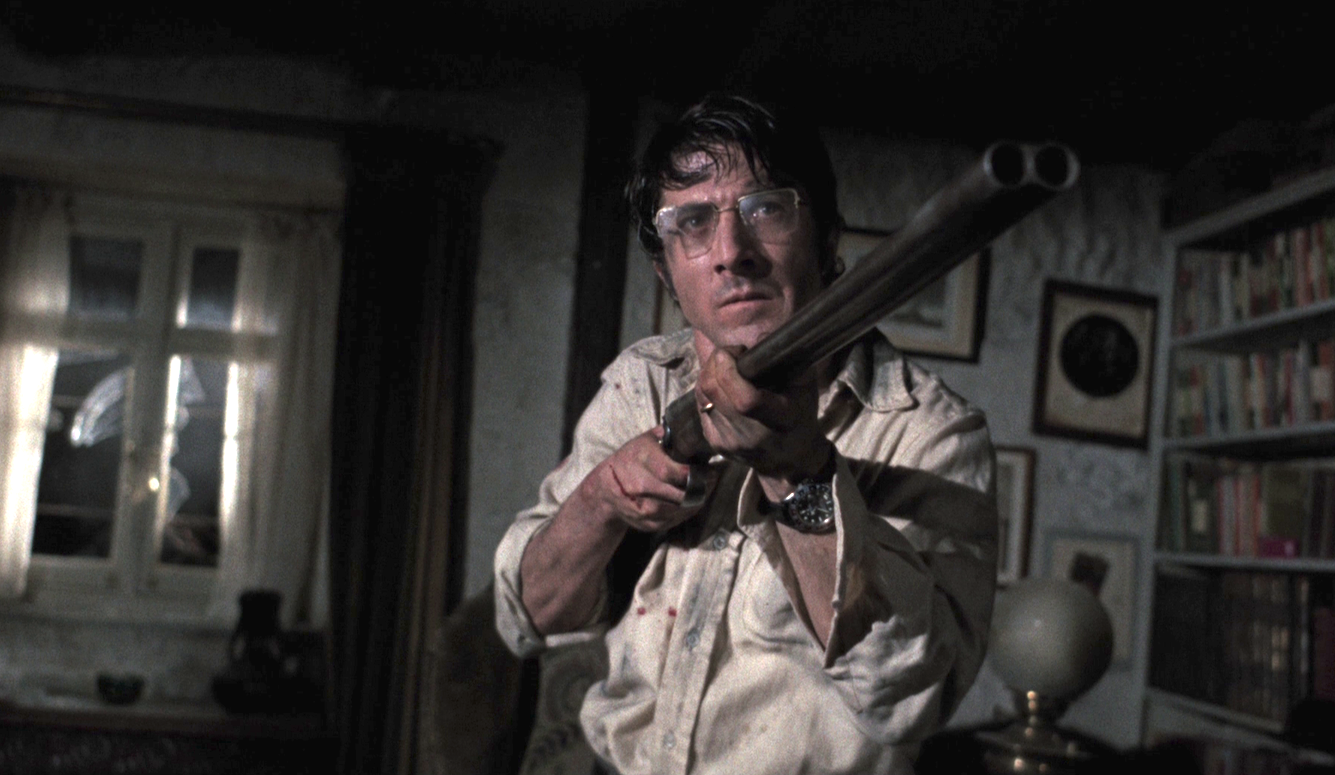
Dustin Hoffman in 1971’s Straw Dogs. Peckinpah would use sex and violence to tell the psychological tale of vengeance and defense of ones home. Image Courtesy: TCM.COM


Violence is not the only taboo Peckinpah embraced, in 1971’s Straw Dogs, he added sex to the violence Filming two graphic rape scenes and then having the women’s Husband take vengeance on the men who committed it, Peckinpah took his viewers on a psychological journey through emotions of vengeance, despair and lack of belonging.

Many say violence has no place in cinema. That all it does is lead people to do evil things and contribute to more violence. There are two sides to the argument, Peckinpah once stated “Well, killing a man isn’t clean and quick and simple. It’s bloody and awful. And if enough people come to realize that shooting somebody isn’t just fun and games, maybe we’ll get somewhere.”

What if, to appreciate the value of life. We as people have to see the disturbing reality of violence. If we can see that then, we MIGHT be able to restore our view on life. I’m not talking senseless, blood and guts slasher films. I’m talking about the violence that is used in an artistic sense (if you do not know the difference, I’m shocked you were able to read this far). The violence is real, gritty, and unchained. That Peckinpah, Sergio Leone, Martin Scorsese, Francis Ford Coppola, and more have used to paint nihilistic visions of despair that many in the world live in.

Sadly, Sam Peckinpah never was able to see the reverence he has in the world today. He died in his sleep in December 1989. Despite his difficult nature and unfair judgments on his films, he has created works of art that transcend time and generations. You may diminish his character or even his works, but in doing so you are discounting the genius behind the madness.

But maybe, “Bloody Sam” wouldn’t have it any other way.
The Reel Greatness of 1994

By Erich R Pilcher

The world of cinema is one wrought with years of transition and greatness. From the separation of the Motion Picture Code to the counterculture movement of the ’60s brought forth by Vietnam and other national unrest to the teen angst dramas of the 80s and ’90s, cinema can often be looked at as a sign of the times.

Because of this, there have been many landmark years that stand out to people. One of these years, in my opinion, is the greatest cinema year ever, and the impact it brought to audiences is still being felt today.
1994 was a critical year not just for cinema but the world. President Bill Clinton gave his first state of the union address, Nirvana lead singer Kurt Cobain committed suicide and OJ Simpson was arrested and accused of the murder of his ex-wife Nicole Brown-Simpson and her friend, Ronald Goldman.


For the cinema world, it was also a time of change. Turner Classic Movies debuted with a showing of “Gone with the Wind”, Pierce Brosnan was announced as the next James Bond after a six-year hiatus for the series. And Viacom purchased Paramount Communications.

These changes in society and cinema pale in comparison to what was brought to viewers on the big screen.

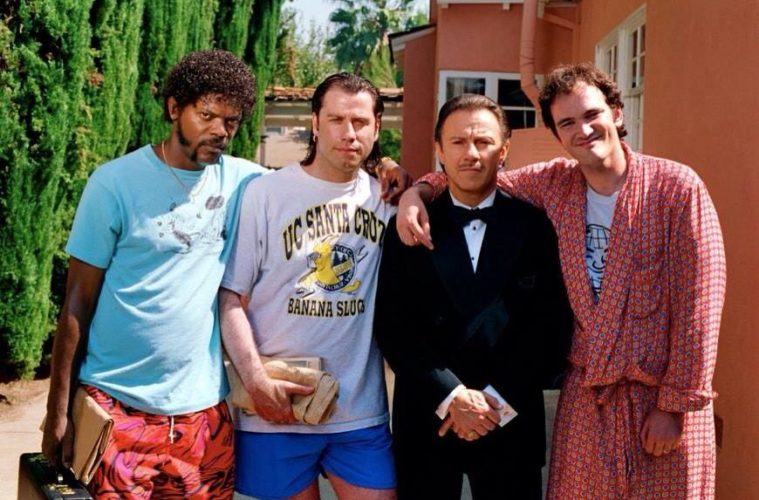
From left to right Samuel L Jackson, John Travolta, Harvey Kitel and director Quentin Tarantino on the set of 1994 Pulp Fiction. Photo Courtesy: The Film Stage


First, Director Quentin Tarantino became a household name with his second film, “Pulp Fiction.” This film was told in a nonlinear format (like his first film “Reservoir Dogs”) that had not been used much since the days of film noir. Tarantino used an eclectic soundtrack, biting, gruff dialogue, and a star-studded cast to tell the tale of criminals and crime. This film featured an unapologetic look at this world using over-the-top violence and language that made many shudder. Regardless this film, (reviewed recently by yours truly on Matt Connarton Unleashed) showed where we were at. We craved violent crime because this is what society related to. We wanted realism and despite the exaggerated violence, people connected to that.

Connection is the key for this year in cinema, for the most part.

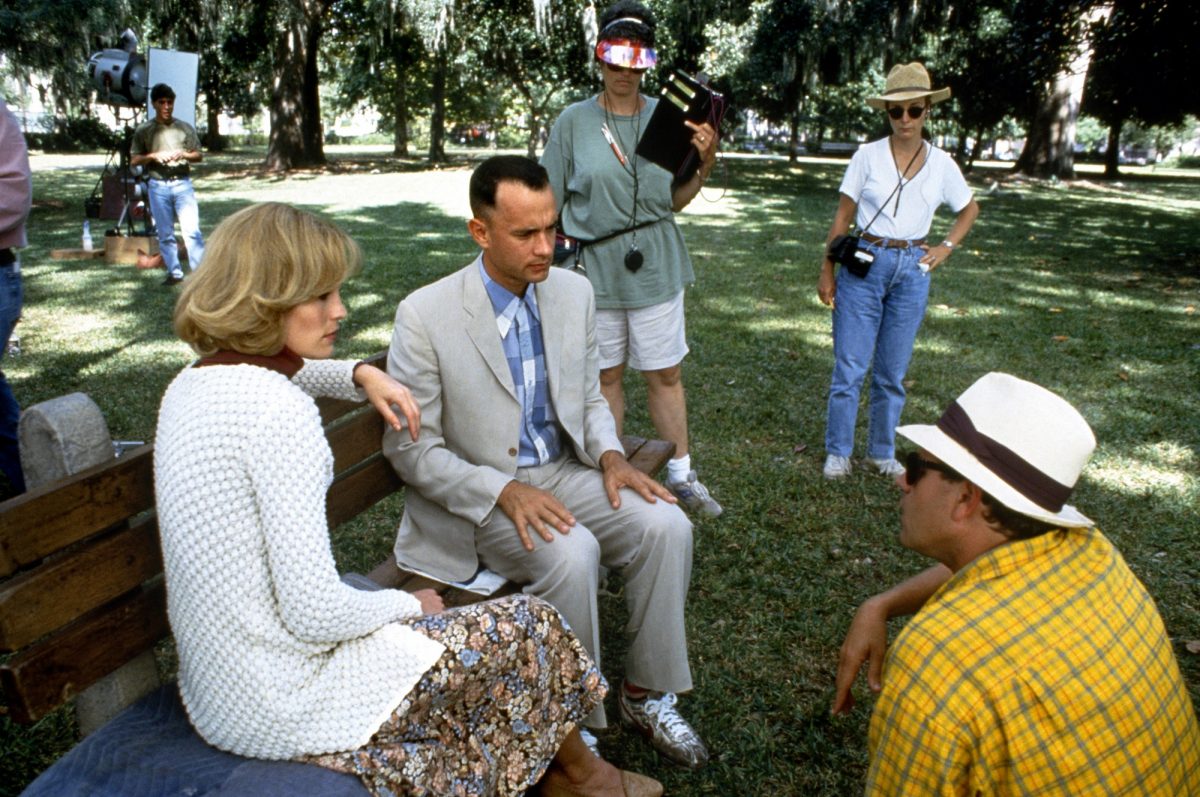
Director Robert Zemeckis gives last second instructions to Robin Wright-Penn and Tom Hanks on the set of Forrest Gump.
Phot Courtesy: IMDB

Director Robert Zemeckis fresh off his run directing the Back to the Future Trilogy, brought us a timeless classic that became the highest-grossing film for Paramount Pictures (at the time), “Forrest Gump” (based on the novel by Winston Groom). The film told us the story of a simpleton that gets caught in some of the biggest moments in American history. This heartwarming tale garnered Tom Hanks his second consecutive Best Actor awa5rd (he won for “Philadelphia” the previous year). Again, we run into connection being key. This film reached many audiences. Some lived through the tumultuous times Gump encountered. Then there is the broader level, we relate to Forrest because we have all felt out of place, and despite that have overcome the circumstances.

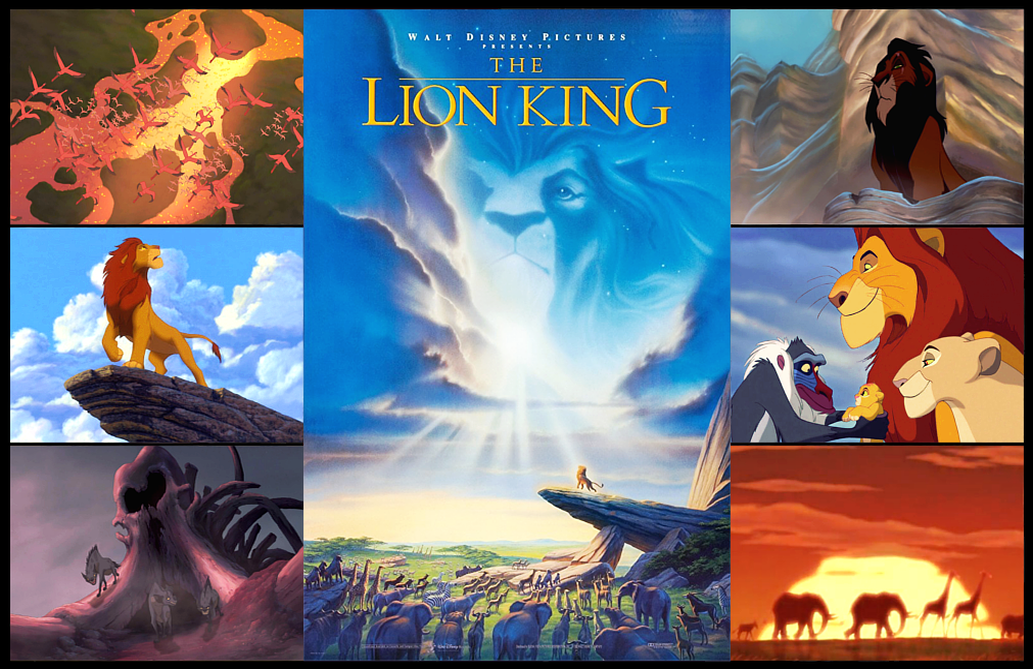
Disney’s masterpiece The Lion King was released in 1994. The film still holds box office records to this day. Illustration Courtesy: MEDIUM.COM

Family films were not devoid of impact in 1994. Disney released “The Lion King” to critical acclaim. The film was a box office bonanza. It averaged 793,377 dollars per theater on opening weekend (a record that still stands today). Until 2003 it was the highest-grossing Disney film ever (beat by “Finding Nemo”). It was also nominated for Best Picture (Losing to the aforementioned “Forrest Gump”).

Cameron Diaz made her big screen debut in 1994 The Mask
Photo Courtesy: People.com

Finally, many major stars debuted this year. Cameron Diaz (“The Mask”), Ewan McGregor (“Being Human”), Natalie Portman (“Leon: The Professional”), Jude Law (“Shopping”), Scarlett Johannsson (“North”), and Shaquille O’Neal (“Blue Chips”) among many others made their big screen debuts this year. These are stars even today that carry gravitas into any performance (O’Neal excluded) they star in. This year gave us our first experiences of these legendary performers and adds to the importance of the year.

Timelessness is so important to cinema. That is why this year stands out to me., The films, the debuts, and the critical time in history add to the importance of this year, not just for cinema but overall. There are many more films and performances that this year spurned. To me, 1994 is the greatest year in cinema history. For the memories it gave us, the timeless characters and changes it brought, it is unmatched and underappreciated.

Hopefully, that changes and we recognize the greatness we have overlooked.

Slacking Towards Our Desires

By Erich R Pilcher

WRITERS NOTE: This blog is tied into my most recent appearance on WPYP TV and most recent Classic Film Review on Matt Connarton Unleashed and WMNH Radio, Animal House. You may click the links to view and listen

Slackers for the most part are often looked at in an unfavorable light. They are viewed as lazy, uninspired burdens. Depending on your opinion, you may look at them favorably or unfavorably. While here in the “real world” the view is unflattering, there is one area where they are revered, loved, and even cheered for.

That world is in cinema, where slackers are heroes in the same vein as any cinematic hero you may enjoy.

From the start of slackers in film (as early as the old vaudeville stage shows) to current hit movies, these individuals find ways to tug at our heartstrings. As we watch the plot unfold we find ourselves drawn to these individuals, we want to see them succeed. Even if the means are nefarious.

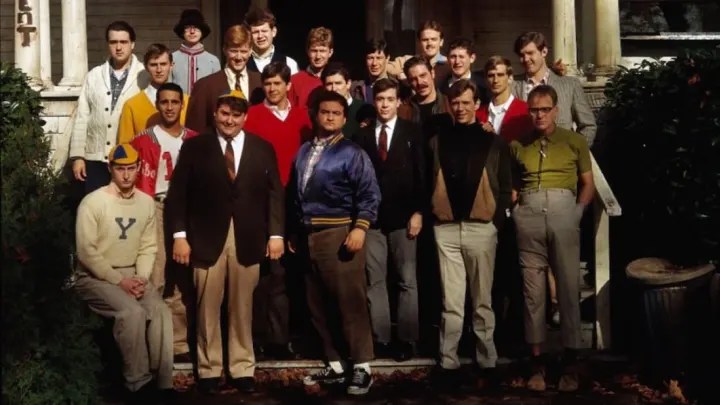
The Delta’s from the film Animal House. They are quite beloved, but should they be?
Photo Credit: IMDB.COM

For example, in the film Animal House, most viewers root for the Delta fraternity. The general thought is “Who are they hurting?” When we analyze their actions, outside of the raunchy slapstick episodes we find they are somewhat deplorable. One takes advantage of a young girl, they destroy the city, they even suggest insurance fraud. However, I have never seen any of this brought up in any analysis of the film.


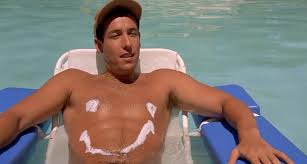
Adam Sandler as Billy Madison. Sandler, is most known for his slacker portrayals
Photo Credit: Universal

This is not just an issue with Animal House either. We can look at other films and see the same issue. Adam Sandler is one of the greatest slacker actors (after Chris Farley). In Billy Madison, he is essentially a spoiled rich kid that doesn’t have to do anything. His charmed life is only dictated by “nudie magazine day” and drinking by the pool. In Happy Gilmore, he is a neer do well hanging on the dream of playing professional hockey, despite having no talent. He is quick-tempered and foul-mouthed. Again, on the surface, the redeeming qualities are low to non-existent.


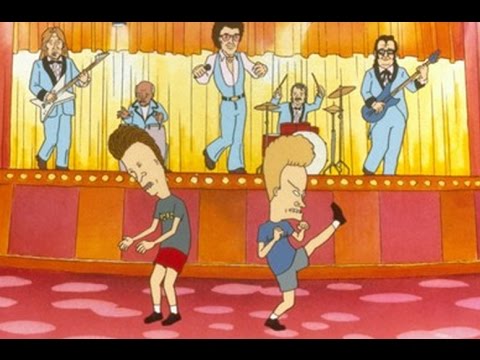
Beavis and Butt-Head often are looked at as just being juvenile toilet humor. But could they be idiot Savants? Photo Courtesy: MTV

Our final example does not come from film, but the world of television. Beavis and Butt-Head (one of my personal favorites) are generally antagonistic, if only through being morons. They terrorize their neighbor Mr. Anderson and show no care for anyone’s wellbeing in their selfish endeavors. I realize we are following a trend. If these characters are so horrible and non-appealing, why do we root for them, love them and why do they have this endearing presence about them that transcends decades?

Through reviewing Animal House for Matt Connarton Unleashed on WHMN Radio (can be listened to here) I realized why this is, at least for me. It is we want to be them. Not so we may commit nefarious acts (although I’m sure that is a selling point from some sad, sick individuals). We want to be them because we want to have this life where we can just be. That is ultimately where slackers came from. We want a life free from responsibility (or where we can just ignore it). We desire to have our needs met through limited effort and just have things work out.

Finally, we want to have our shortcomings appreciated and beloved. Not be ridiculed and diminished for them. There is this desire to have people laugh with us when our shortcomings show up, not at us. In the cases I have presented, the characters’ shortcomings lead to them being victorious over their oppressors.


Beavis and Butt-Head often point out the flaws within society through their mental incapacities. Both Sandler film characters can use their shortcomings to succeed and be victorious. Finally, those raucous, loveable Deltas defeat their enemies at the end and live successful lives. While their enemies meet horrible circumstances.

Ultimately, these slackers show us what we all want out of life. To be loved, respected, and appreciated for who and what we are. We want our fallacies to be embraced as much as our great traits. We want that overall acceptance. There is nothing wrong with that either. We may have possibly been viewing slackers all wrong. Instead of viewing them as lesser than, we should follow their lead. Because their needs are the same as ours.

What The World Needs Now, Is Noir Sweet Noir.

By Erich R Pilcher

For those of you that are uninitiated, I’m a film fan or cinephile, as we are known. Movies have always offered a form of escapism for me, as it does for the majority of those that view them. As I have aged, my film tastes evolved (mainly through viewing The Godfather in 1998 and college film courses), I became entrenched in classic Hollywood style and genre evaluation.

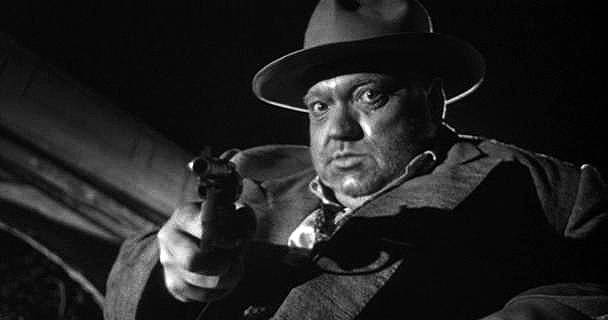
Orson Welles in a blockbuster performance as corrupt Police Captain Hank Quinlan in the seminal Film Noir, Touch of Evil. Welles also directed the film and it was his final film directed in America
Photo Courtesy: IMDB

I enjoy many different genres of film, but one has always stuck with me and that is Film Noir. The genre evolved from the pulp detective stories that came about during the Great Depression. These films are films that embrace the dark side of the world, the urban, crime-ridden areas. They are approached with a cynical view of the world. We have no heroes, everyone has an ulterior motive and their actions only serve themselves. Filmed with a dark, deep filming style and biting, bitter venom laced dialogue these films bring you into these world. The central character is often down on their luck in life and could be a law-abiding citizen or a criminal. It does not matter, that is how much this genre blurs the lines between right and wrong.

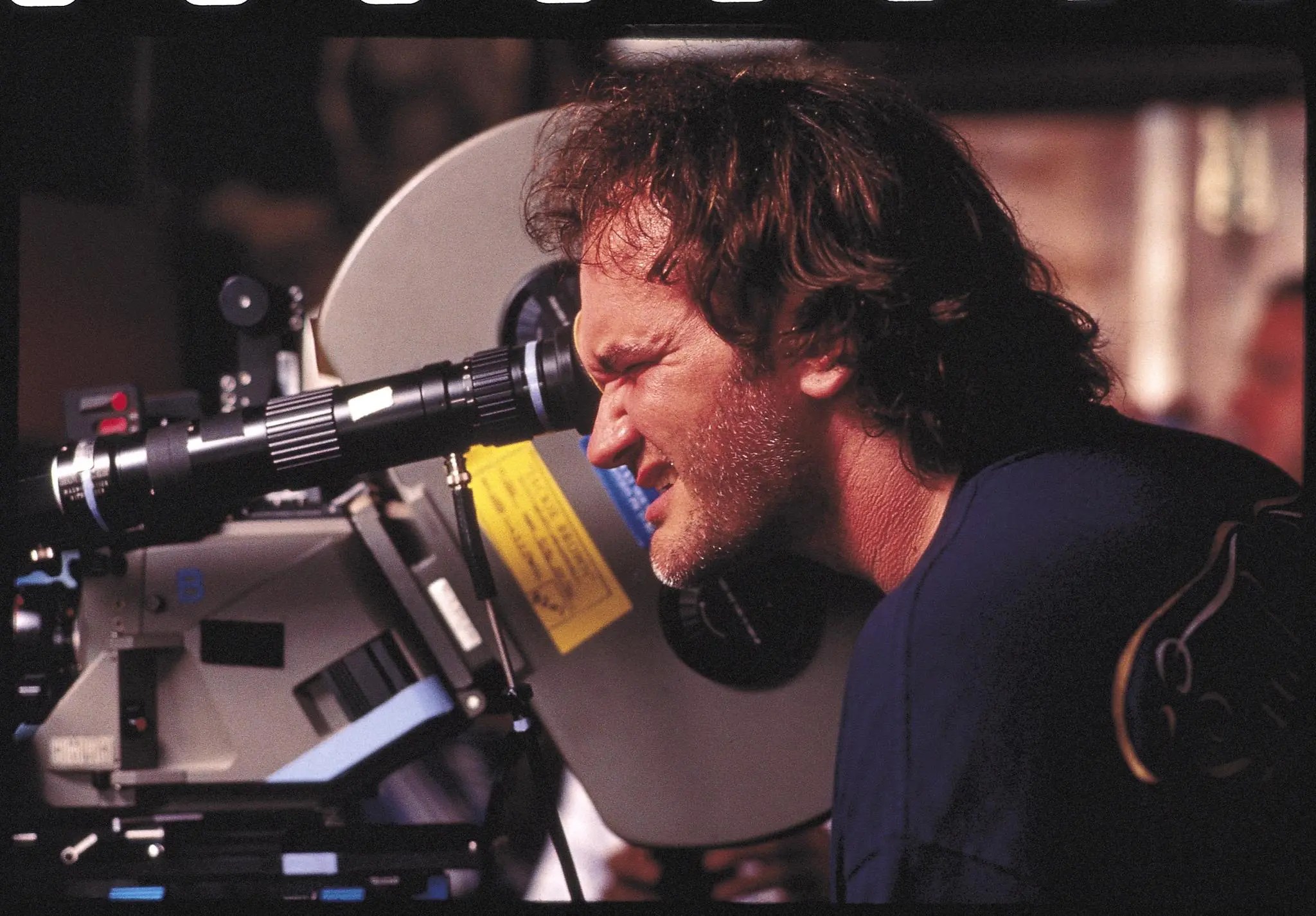
Director Quentin Tarantino best uses elements of noir in modern cinema
Photo Courtesy: Den of Geek

More than likely, you have viewed a noir film and not even known it. Early gangster films (another favorite genre of mine) such as Public Enemy, Little Ceaser, and Scarface exude many elements of noir. Other famous noirs are Key Largo, The Postman Always Rings Twice, Pickup on South Street, Asphalt Jungle, Chinatown, and Touch of Evil. In the modern era, director Quentin Tarantino has used noir elements in many of his films. Most notably, Pulp Fiction, Reservoir Dogs, and Jackie Brown.

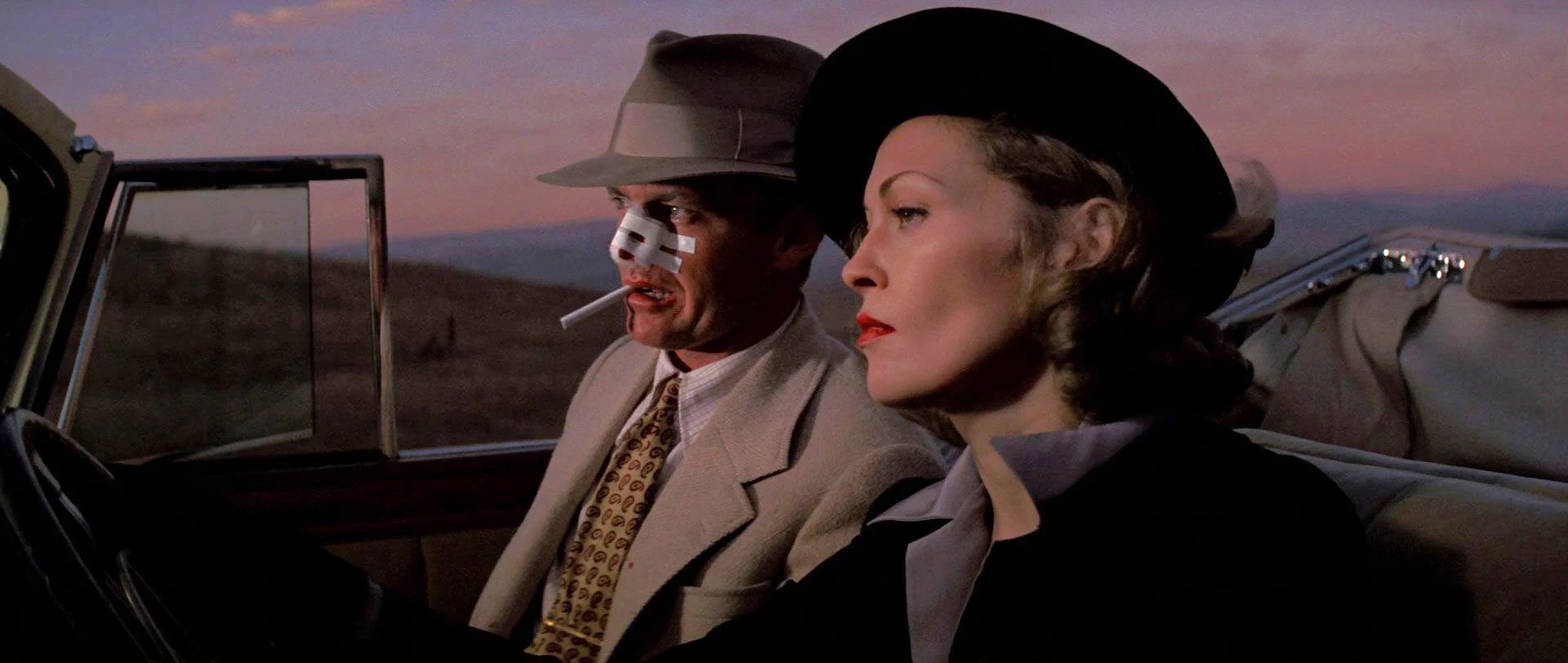
The Roman Polanski film Chinatown is one of the most well known Film Noirs.
The film stars Jack Nicholson and Faye Dunaway.
Photo Courtesy: American Cinematographer

The difficult aspect of noir films is how does one of these films become successful? Many times while reading about one of the films, you realize they were not successful in the theaters. Their success was found in art houses and by critical film analysts. This resurgence leads to their appreciation and affirmation as great cinema. But upon further review, one can see there is a tie to the success of these films.

The world has to be as dark, cynical, and as down and out as the subjects and areas are.

I’m a firm believer that for a film to have success, there has to be a degree of relatability. If that is not there then the film needs to be so separated from reality that a viewer can escape into the film. When the nation is in financial peril, at war, crime rates are high, there are vast divisions and differences between people, and so forth. This causes people to flock to these films. That is because they mirror our world and we can see ourselves in it

That is because all those circumstances are circumstances we are facing right now.

That we can look at a theater screen and say “I’m feeling exactly what this lead character is” or “This is how I see the world” is such a powerful aspect to viewing film. And, because of these feelings we can escape into that world and feel that it is offering us a vision of promise. That the world might be bad now, but there can always be a silver lining. That is what noir offers, a dark world that through these real individuals we see how we can endure the situation.

I feel noir is looked at as a forgotten genre and that is a great shame. In this current cynical world, we need noir films. The characters can be our new heroes, our beacons of light in a dark, hero-less world. We need to be released into worlds that are darker and as hopeless as we may feel our current world is. As depressing as this may seem, the end credits provide a light. That is a light of hope, that tomorrow will be a better day.

It is a hope that we don’t just need, we deserve.