By Erich R Pilcher
Corruption runs rampant in society. While I do believe there is good in the world., I’m not naïve enough to think that everyone in a position of power obtained it by honorable means. I try to look for the good in everything, that includes sports, which I’m what you would call a “sports nut”.
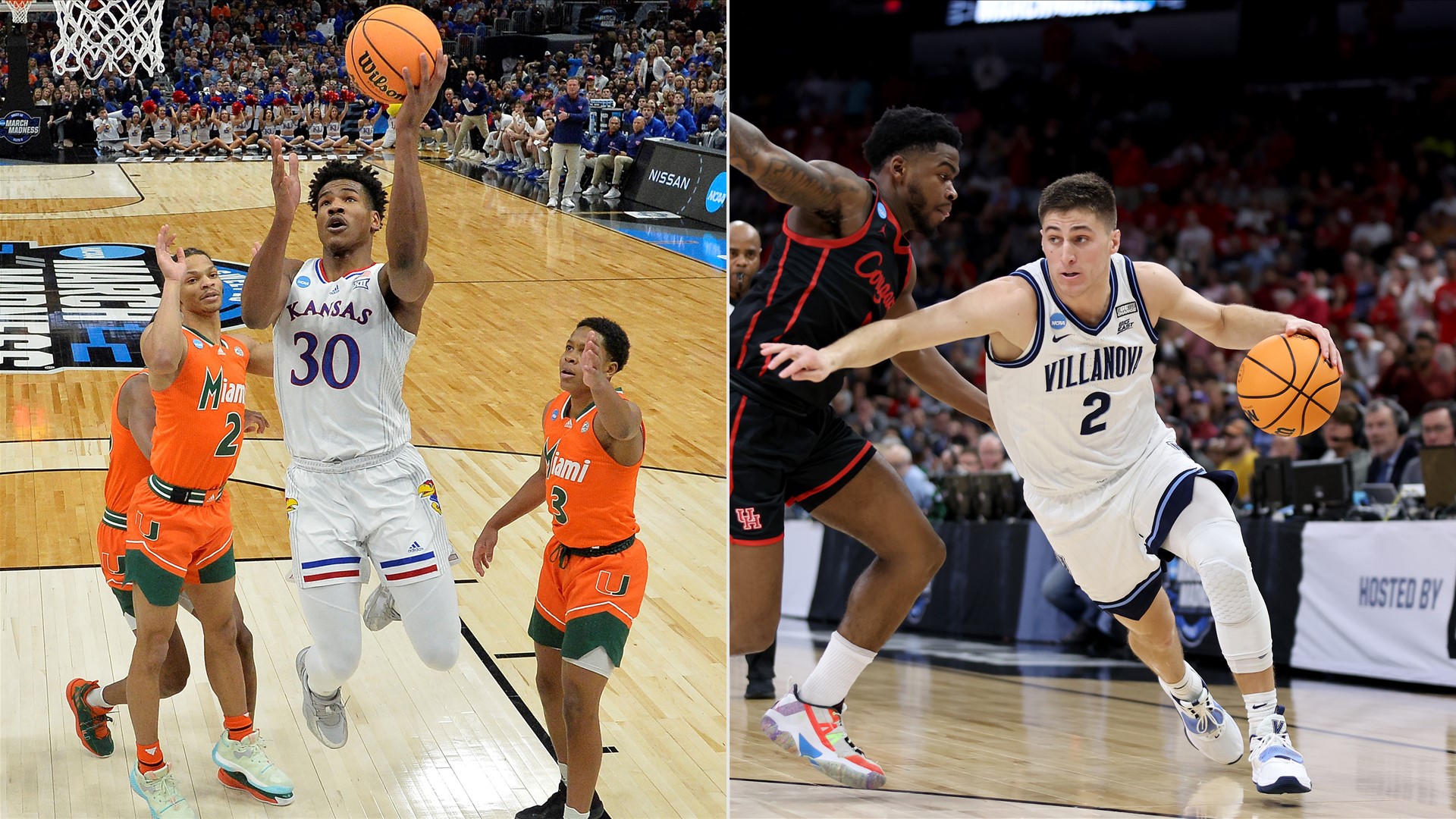
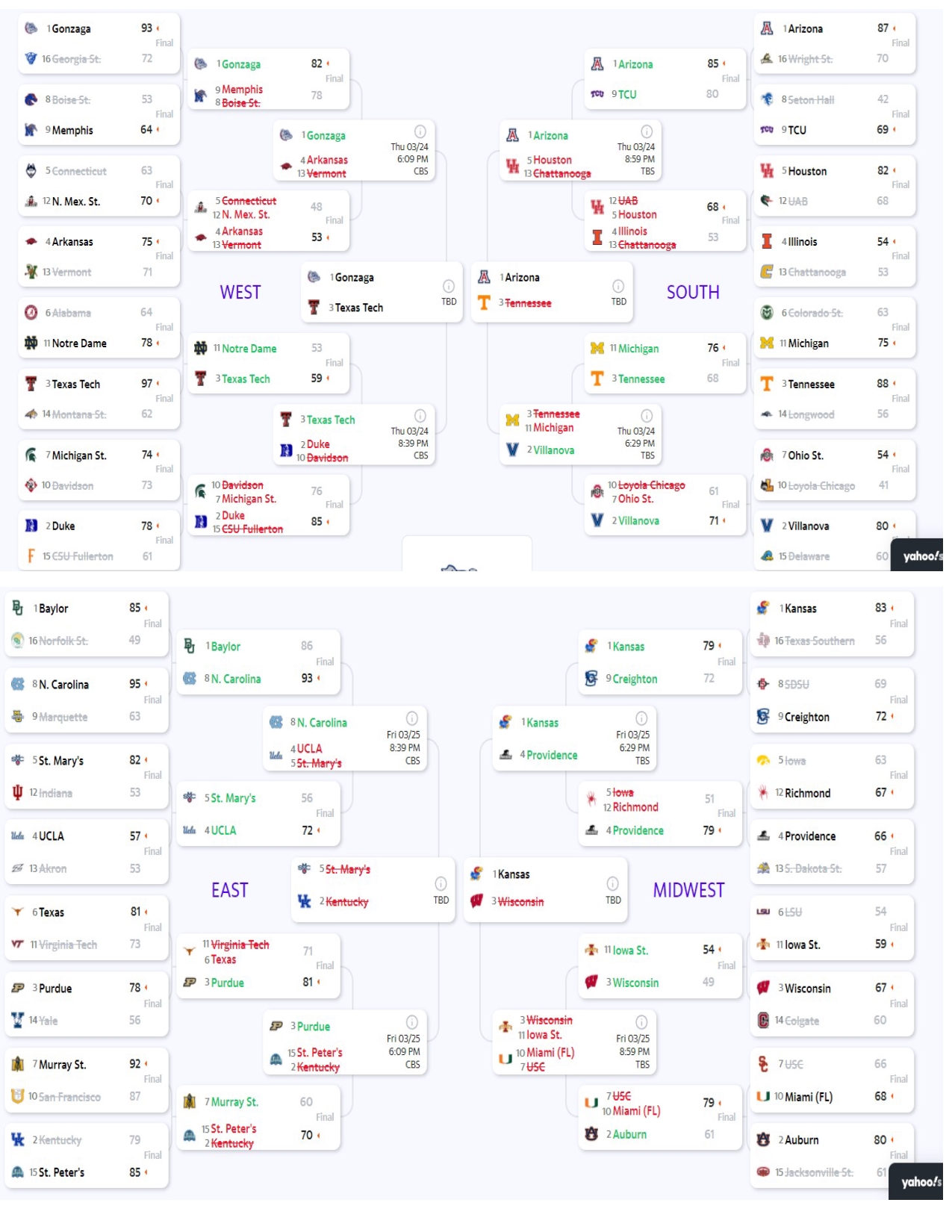
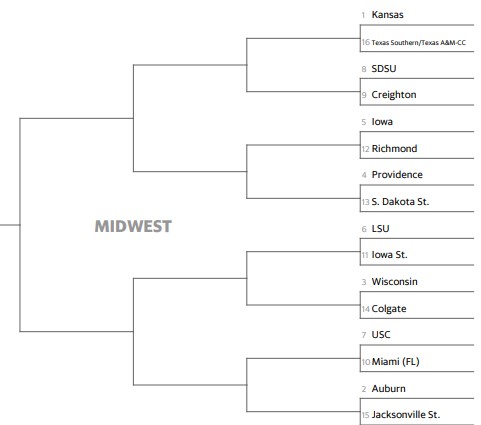
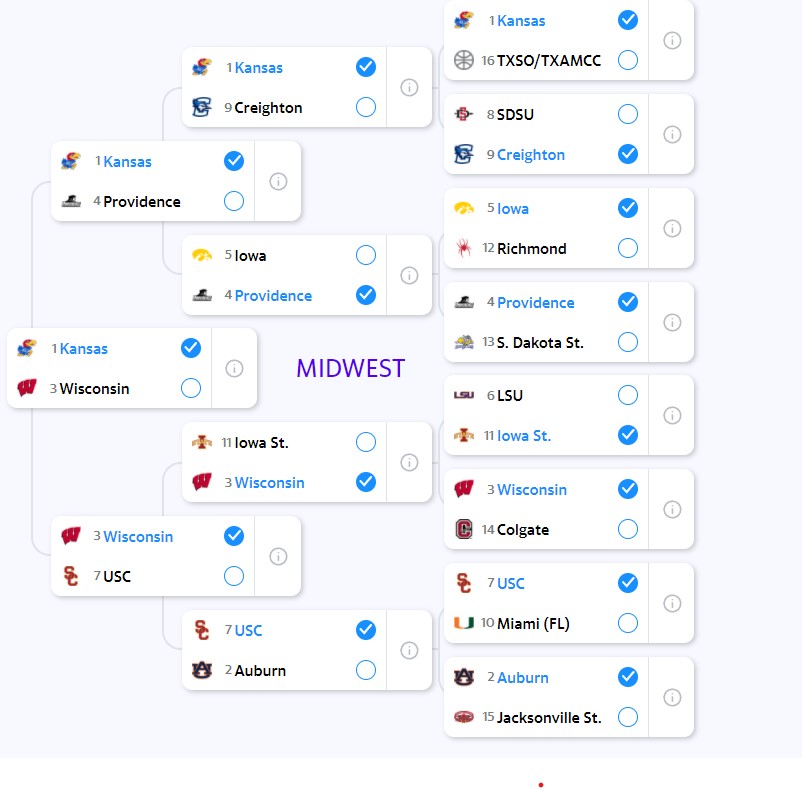
Recently, my favorite time of the year ended, March Madness. Otherwise, known as the NCAA Tournament. In the end, the Kansas Jayhawks won the championship, overcoming many years of their toughness and resolve being questioned. They overcame a historic 15-point halftime deficit to claim the title and etch their names in history.
That is for the time being at least.
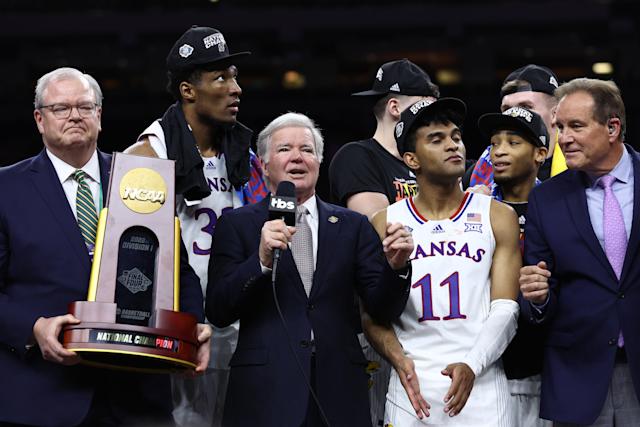
Photo Courtesy: Yahoo Sports
Currently, the Jayhawks are under investigation by the NCAA dating back to 2019. The basketball program is cited for five-level one (the most severe allegations a university can be accused of) violations. The main accusations are that Head Coach Bill Self and Assistant Coach Kurtis Townsend partnered with Adidas (the schools athletic apparel sponsor) to, according to the statement of allegations, “Intentionally and willfully engaged in NCAA violations and blatantly disregarded the NCAA constitution and bylaws.” They are also accused of the dreaded and vague lack of institutional control.
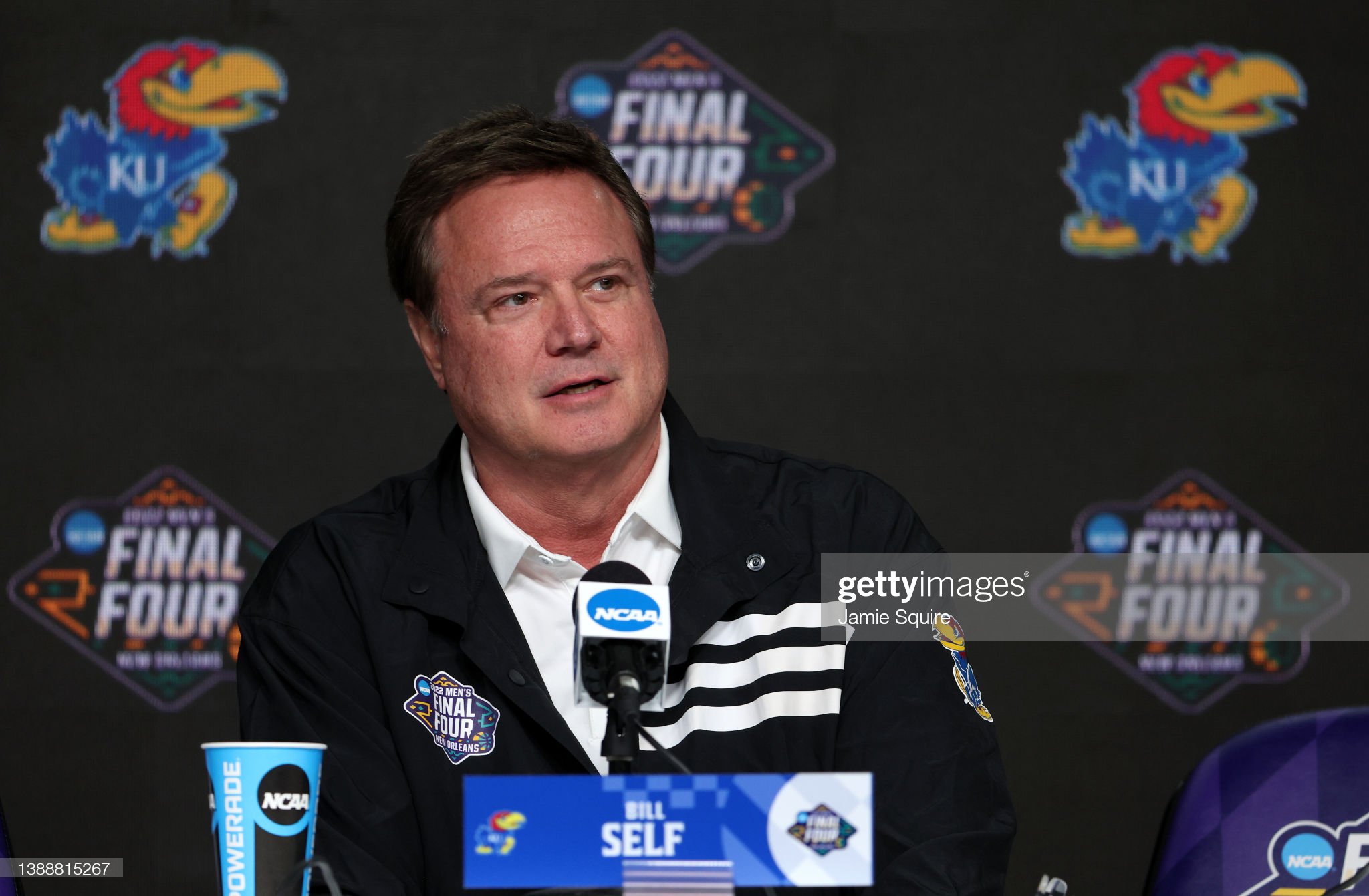
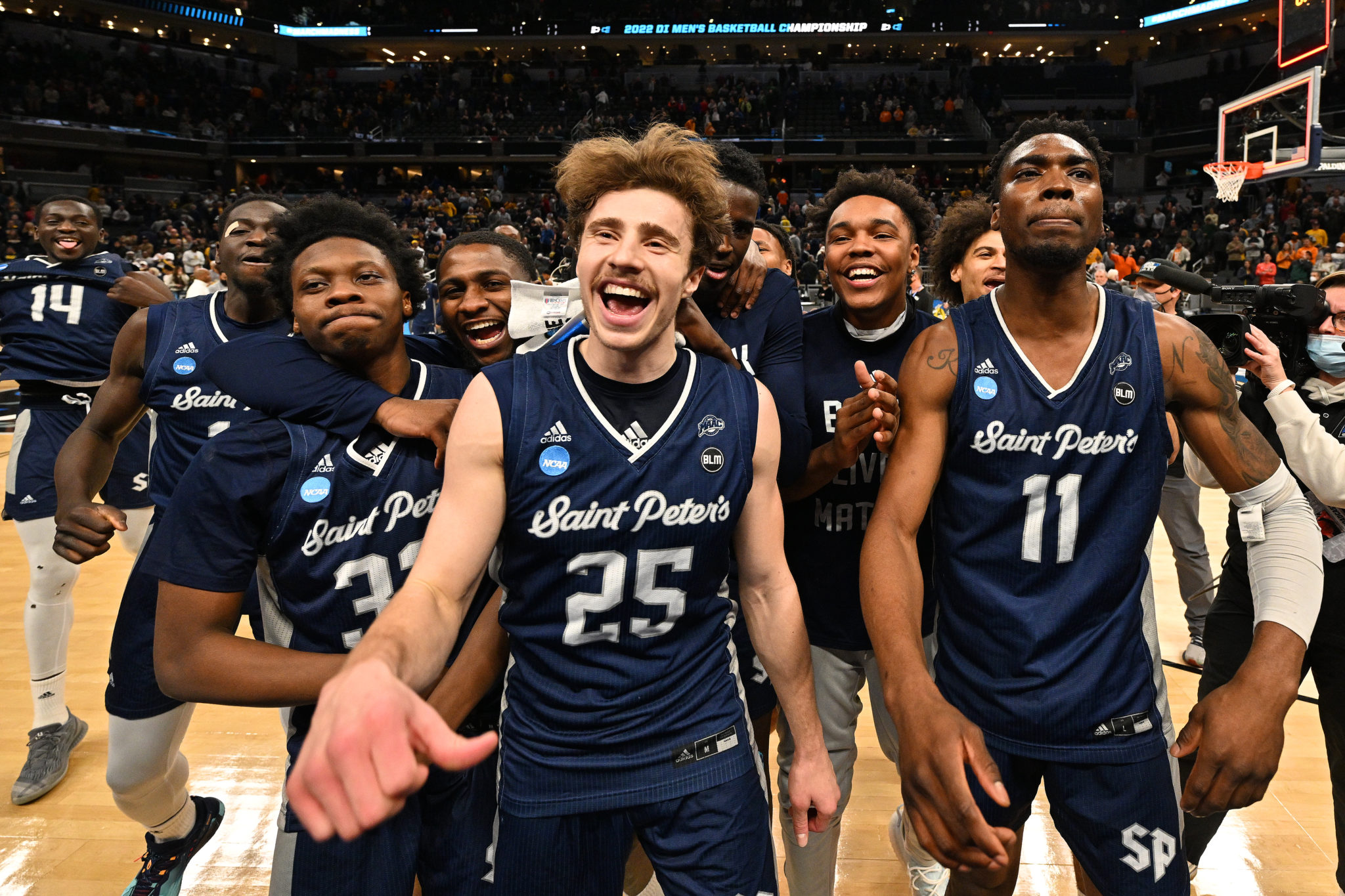
Photo Courtesy: Jamie Squire/Getty Images
The investigation began three years ago. It also is not believed any current Kansas players are a part of the investigation. During a Final Four press conference Self stated that he felt the end was coming soon. The question here is what does that end entail? For that answer, we need a brief history lesson.
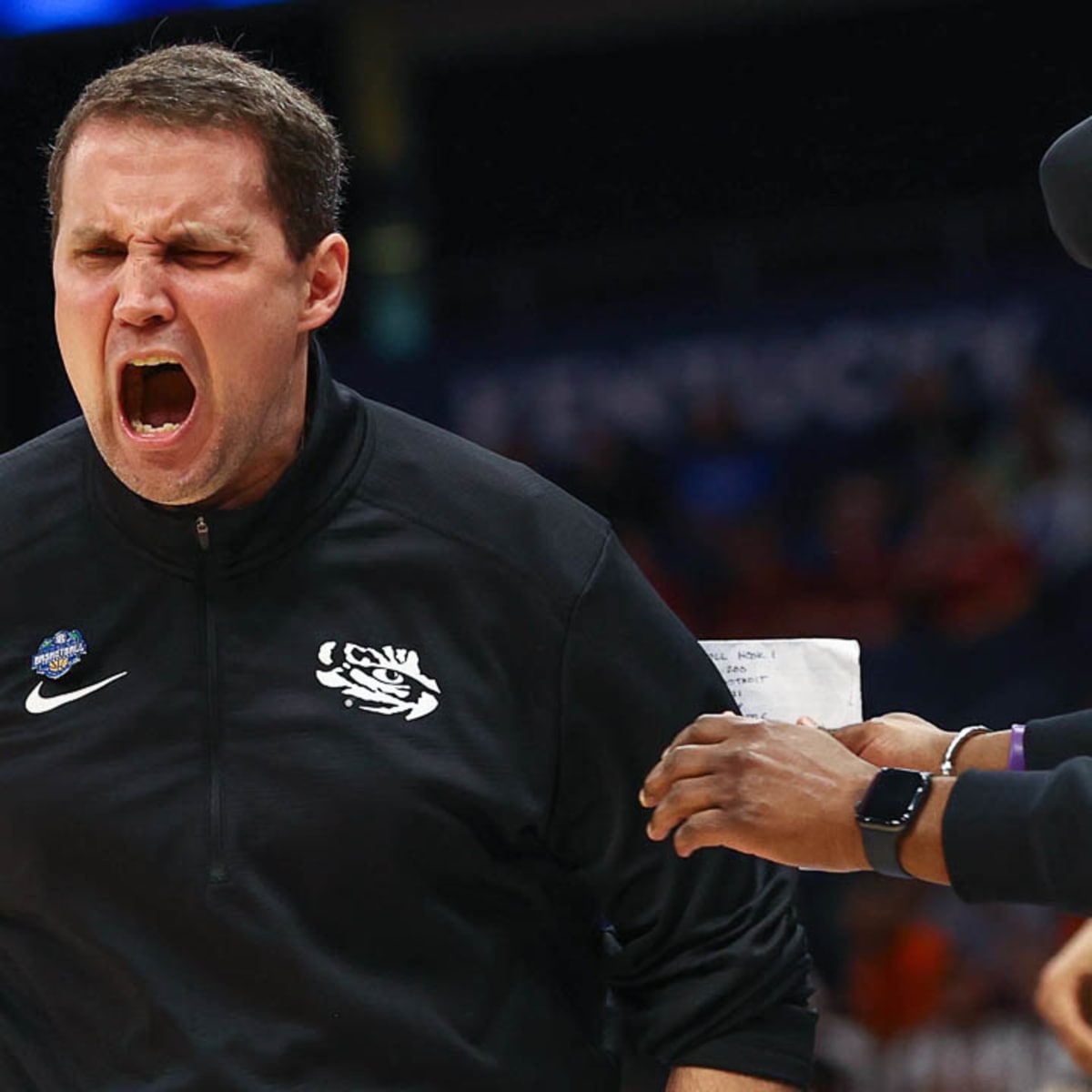
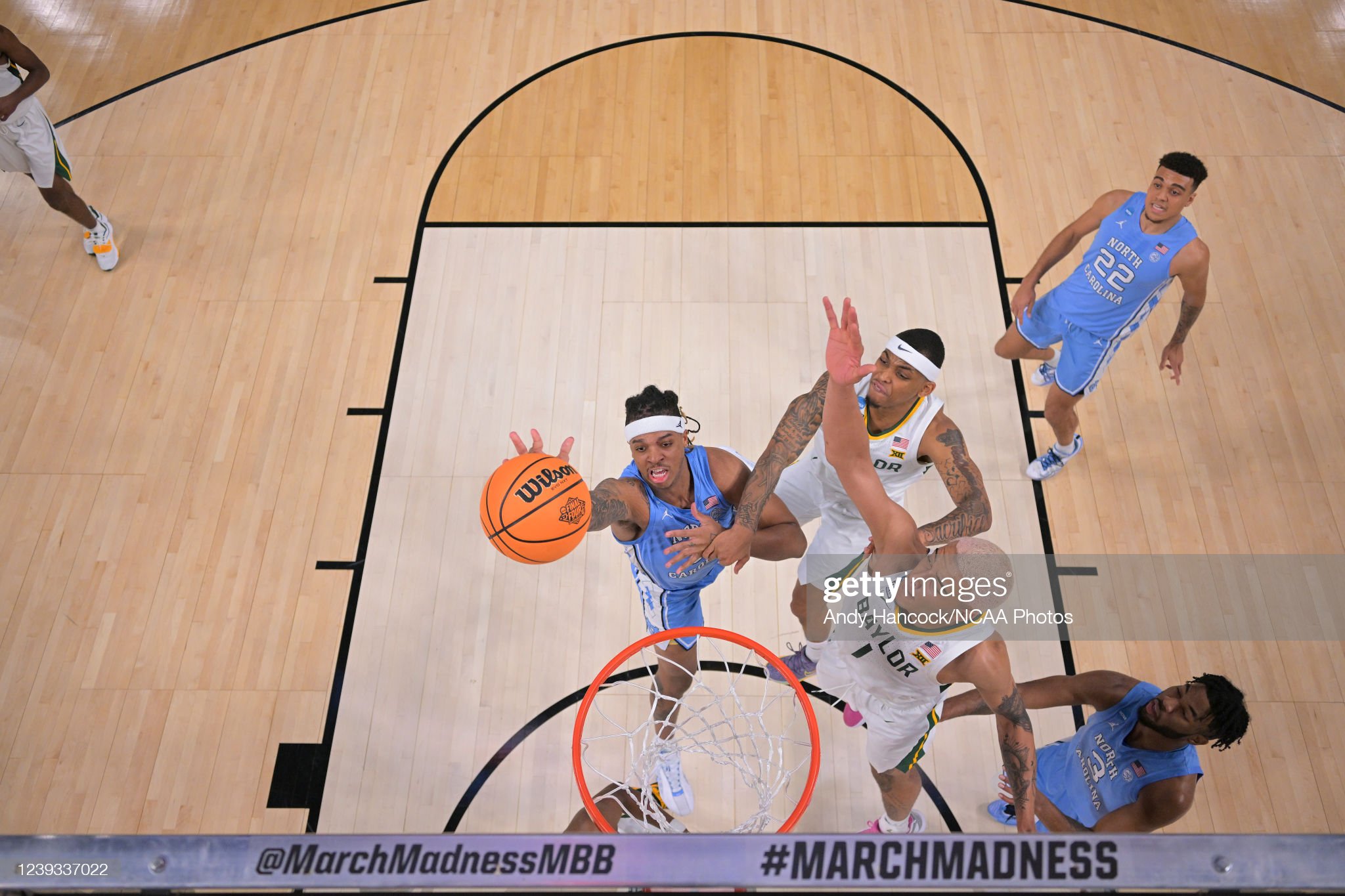
Photo Courtesy: Sports Illustrated
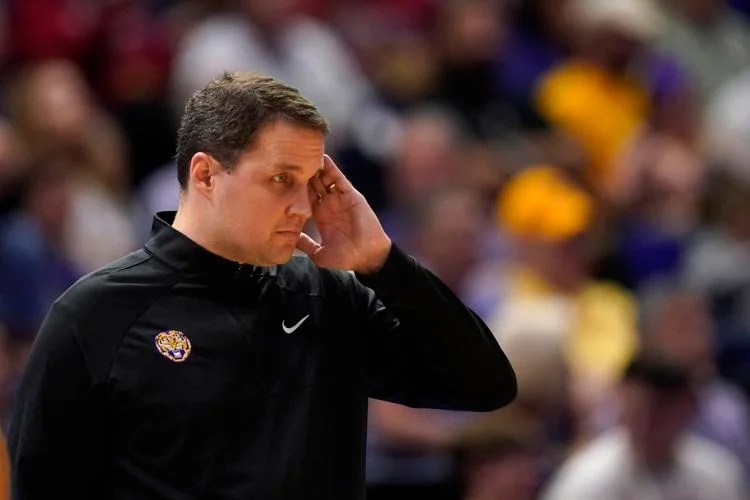
On March 12 (one day before Selection Sunday), Louisiana State University (LSU) fired Men’s Head Basketball Coach Will Wade following receipt of a notice of allegations that Wade provided impermissible benefits. This was the second set of allegations during Wade’s time as head coach. Yet, LSU was still allowed to compete in the NCAA tournament (They lost in the first round to Iowa State). Now, safe to say this appearance and season will be vacated by LSU as punishment. Also, all scholarship players have left the university, leaving the program in shambles, even before the NCAA brings down the hammer of punishment on the school.
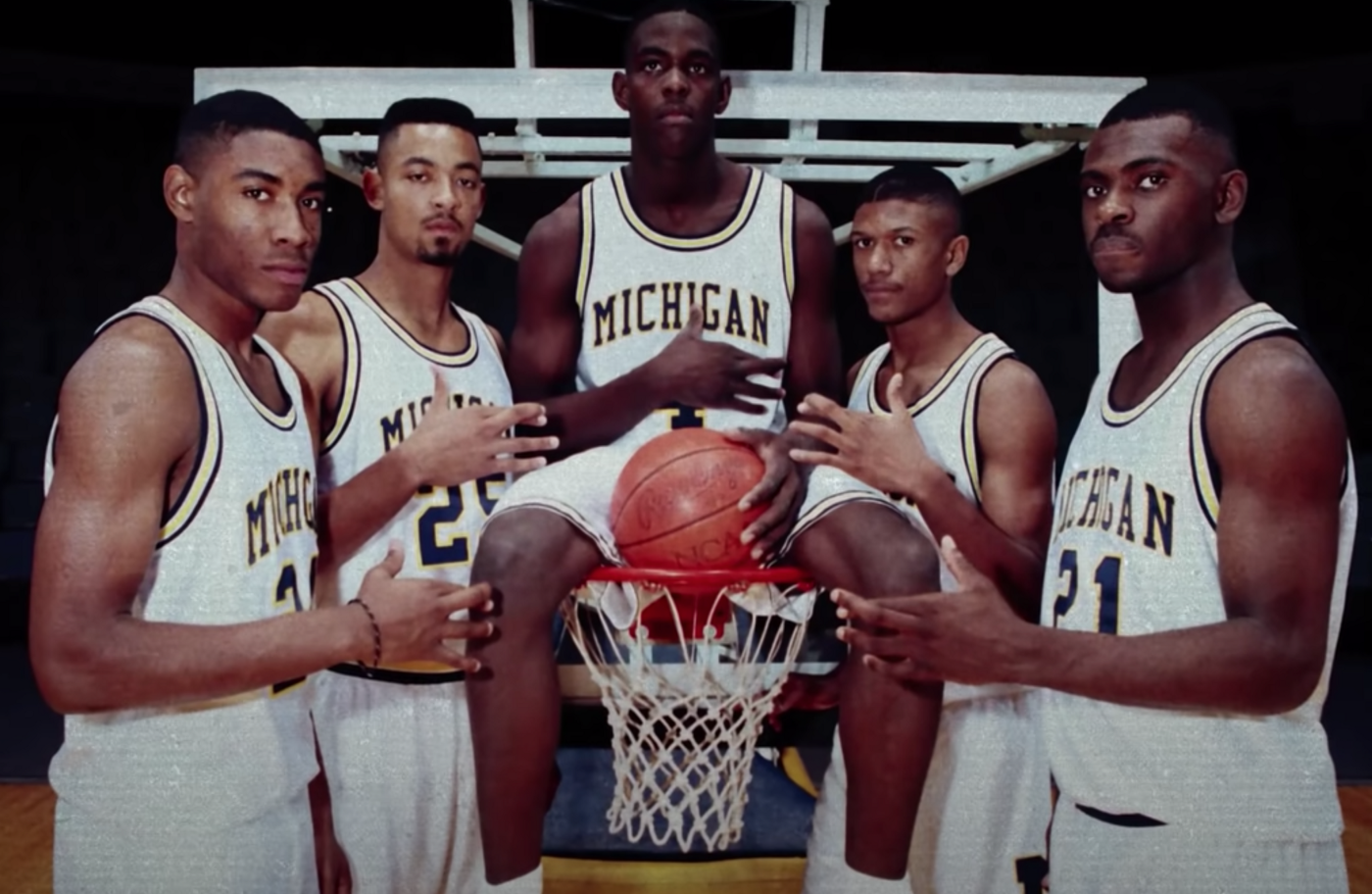
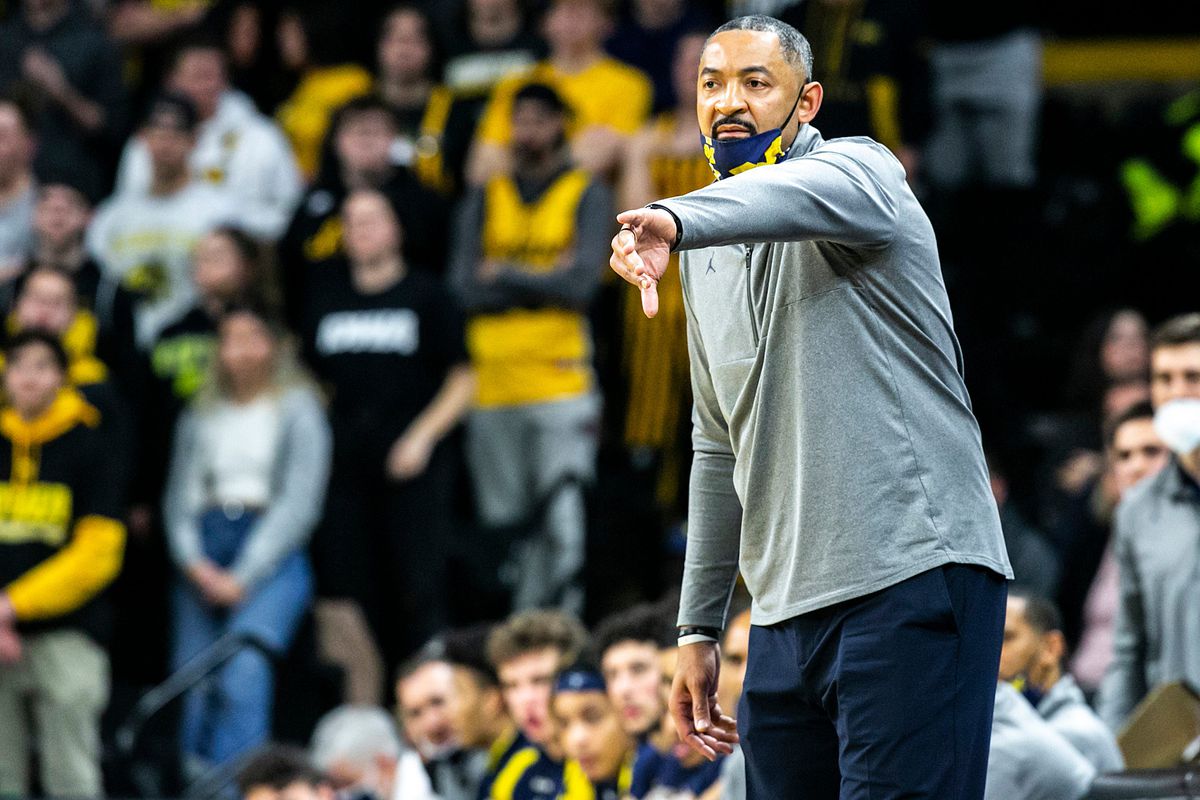
Going back even further the University of Michigan had Final Four appearances in 1992 and 1993 vacated along with the season results from 1992-93, 1995-96, and 1998-99. They also removed banners commemorating the aforementioned two Final Four appearances, 1997 NIT championship, and 1998 Big Ten Tournament Championship. This stems from players taking money and other items from the late Michigan Booster Ed Martin (notably NBA Hall of Famer Chris Webber). Also, the school was prohibited from having the players from those teams on campus and being mentioned in record books for a period exceeding a decade.
There are many more tales I could tell. The result is some players had nothing to do with the misdeeds that were committed. They worked hard, “did it the right way” and so forth. To have their contributions removed because coaches and other players did not follow the rules is a grave injustice. The solution here is simple.
The NCAA must adopt a rule that if an athletic program is under investigation for major infractions, they are not eligible for postseason play. It does not matter if it is the cash cow of a program that is football or water polo. If they are being investigated, they stay home for the postseason, no questions asked. This would allow players to know upfront, before committing to a university, that the postseason is not an option. It would (hopefully) jumpstart the NCAA to conduct these investigations in a timely matter. And not allow the school the heartbreak of vacating wins and possible championships. Also, with the transfer portal being wide open, players can leave if an investigation is opened after they are with their team, without any eligibility concerns
The time has come for the NCAA to send a message that these investigations are serious. Over the past few years, I have flushed the naïve thought they are “Student-Athletes” they are not. They make billions for their respective universities and are mostly part of professional athlete training grounds. should be able to make money off their likeness (without the school’s influence, as is the current rule). But they should not be subject to the heartbreak of years down the road having their accomplishments and accolades stripped away for the misdeeds of others.
Admittedly, this does not solve the problem. It does not even scratch the surface. What it does do is make the NCAA proactive instead of reactive. A rule of this nature might make coaches think twice before breaking the rules to make an extra couple of million dollars in endorsements for a tainted championship.
Quite frankly, the fans, the students, and the players deserve better. It is time for the NCAA to deliver on that.





 Pilcher's Point